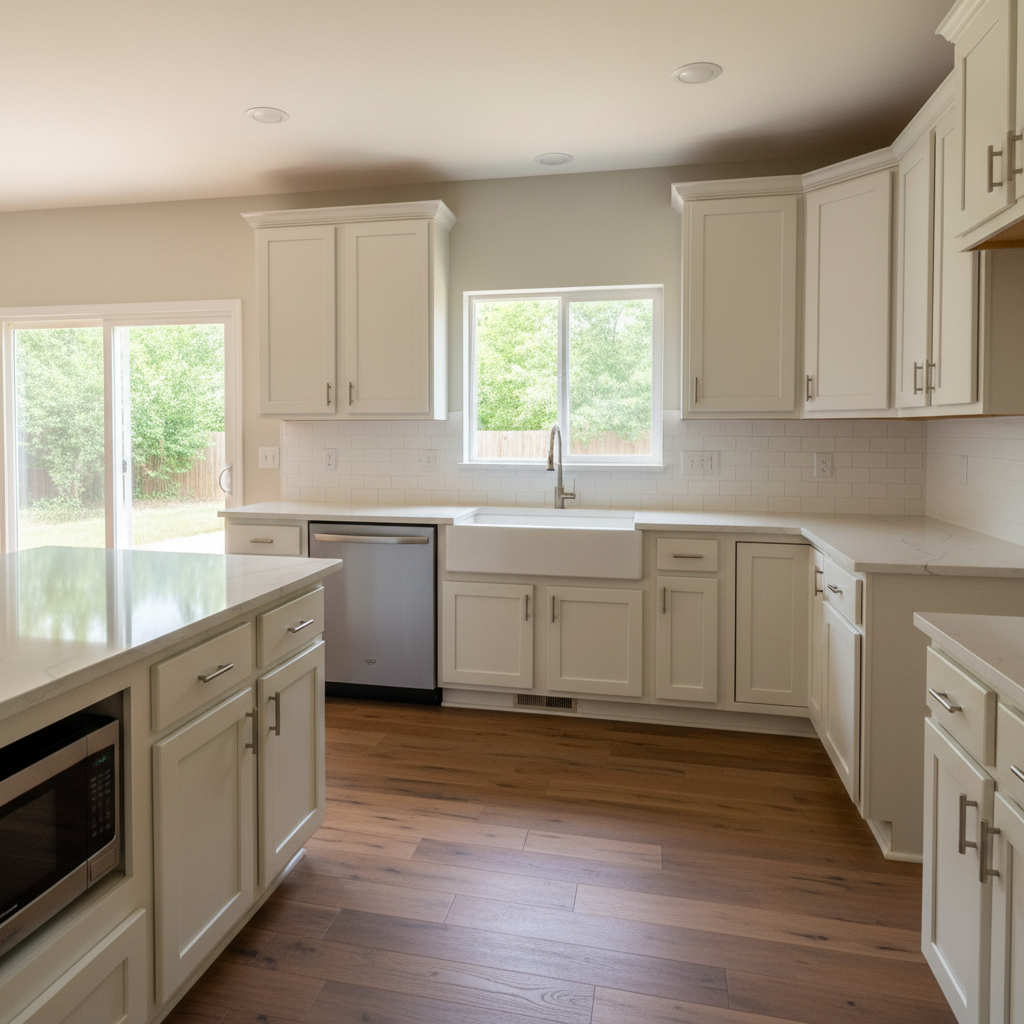
You just dropped a good chunk of change on those new kitchen cabinets, right? Whether you went with custom-built beauties or something more off-the-shelf, you want them to last. I get it. Here at Omega Kitchen & Bath, we install a lot of cabinets, and I've seen firsthand what makes them hold up—and what makes them fall apart.
The truth is, even the best cabinets need a little love to stay looking sharp. That's especially true here in Oklahoma with our crazy weather swings. We go from humid summers to dry winters, and that can really be tough on wood.
Making Your Cabinetry Last Longer
This isn't rocket science, but people often overlook it. The biggest thing you can do to extend your cabinets' life is to be mindful of their environment. That means controlling temperature and humidity as much as you can. Our Bixby homes, especially those older ones in places like South Bixby near the river, can sometimes have fluctuating indoor conditions. Running your AC in summer and heat in winter isn't just for your comfort; it helps your cabinets too. Extreme changes can cause wood to expand and contract, which leads to cracks in the finish or even warping.
Beyond that, it's all about prevention. Use cutting boards, not your countertop. And definitely not your cabinet doors! Wipe up spills right away, especially water. Water is wood's worst enemy, and finishes too. Think about the areas around your sink and dishwasher – those are prime spots for water damage if you're not careful. Also, avoid harsh chemicals. They might clean, but they can strip finishes and dry out the wood, making it brittle over time. Not good.
Regular Maintenance: Your Weekly and Monthly Check-Up
Keeping your cabinets clean is the simplest form of maintenance. For most everyday grime, a soft, damp cloth is all you need. Wring it out well, so it's not dripping wet. For tougher spots, a mild dish soap solution (just a few drops in warm water) works wonders. Always wipe dry with a clean cloth immediately after cleaning.
Here's a quick rundown:
- Daily/Weekly: Wipe down spills and splatters as they happen. Don't let food dry onto the surfaces, okay?
- Monthly: Give all cabinet surfaces a good wipe-down with a damp cloth, then dry them. Pay extra attention to the areas around the stove, sink, and trash pull-out, where grease and grime really tend to build up.
- Every few months: Check hinges and drawer slides. If anything feels loose, tighten the screws. Don't overtighten, though; you don't want to strip the wood. You might also want to use a quality wood polish or conditioner on finished wood surfaces, especially if they seem a bit dry. Just make sure it's appropriate for your cabinet's finish.
For painted cabinets, be gentle. Abrasive cleaners can scratch or dull the paint. For laminate or thermofoil, a damp cloth is usually all you need. If you're unsure about your specific cabinet material, check with your installer or the manufacturer's guidelines.
Warning Signs of Problems
Catching problems early can save you a lot of headache and money. Here’s what you should be looking out for:
- Swelling or discoloration: Especially around the sink, dishwasher, or floor. This is a dead giveaway for water damage.
- Cracking or peeling finish: Small hairline cracks are sometimes normal with wood movement, but widespread cracking or peeling indicates a bigger issue, possibly humidity problems or a poor finish job.
- Sticky or grinding drawer slides: Could mean they're dirty, bent, or worn out.
- Sagging shelves: If you've got heavy dishes, shelves can start to bow. This might mean you need stronger supports or to redistribute weight.
- Doors that don't close properly: Could be loose hinges, warped doors, or even the cabinet box itself shifting.
- Mold or mildew: A serious sign of moisture issues that need immediate attention. You'll often smell it before you see it, actually.
Don't ignore these things. A small problem can quickly become a big, expensive one.
When to Call a Professional
Look, I'm a big believer in DIY, but there's a limit. If you see any of the serious warning signs I just mentioned – significant water damage, persistent mold, structural issues like a cabinet box pulling away from the wall, or widespread warping – it's time to call in a pro. Trying to fix major water damage yourself can often make it worse, and you might miss the source of the leak.
If a door is seriously warped, or a drawer slide is completely shot and you can't figure out how to replace it, that's also a good time to get an expert opinion. Sometimes, a simple adjustment is all it takes, and other times, it requires specialized tools or knowledge. We've seen it all at Omega Kitchen & Bath, and we can usually tell you pretty quickly if it's a quick fix or something more involved. Don't hesitate to reach out if you're in doubt. It's better to ask than to let a problem fester and ruin your investment.